Il est normal de s’inquiéter quand votre chien vomit après avoir mangé, même s’il semble aller bien. Il existe plusieurs raisons pour lesquelles cela peut arriver. Découvrez quand vous devriez vous inquiéter ou appeler le vétérinaire.
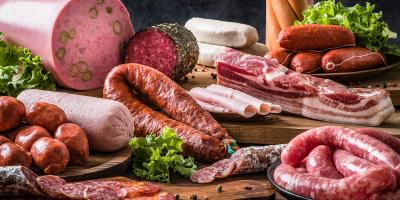
Du bacon croustillant au déjeuner aux saucisses savoureuses au dîner, sans oublier les côtes levées mijotées pour le souper, le porc a vraiment le don de capter l’attention d’un chien. Mais avant de partager votre côtelette de porc avec votre compagnon enthousiaste, il est important de comprendre si le porc est réellement sans danger pour les chiens. Voici ce que vous devez savoir avant d’ajouter du porc au menu de votre chien.
Il n’y a pas de réponse simple. Le porc se présente sous différentes formes, cru, cuit, transformé, avec os, sans os, et chacune vient avec ses propres considérations. Pour cette raison, la question «Les chiens peuvent-ils manger du porc?» dépend en grande partie de la façon dont le porc est préparé.
Les chiens peuvent être tentés par tout, du bacon et du jambon au pepperoni et aux hot‑dogs. Bien que le porc lui-même puisse être sans danger pour les chiens, certaines versions sont riches en matières grasses, fortement assaisonnées ou conservées, ce qui les rend moins appropriées pour les animaux familiers.
Si votre chien aime le porc, l’approche la plus sûre est d’offrir seulement de petits morceaux nature comme gâterie occasionnelle. Assurez-vous que la viande est bien cuite et exempte de ce qui suit:
Le porc est naturellement plus riche en gras, alors il vaut mieux en offrir avec modération plutôt que d’en faire une partie régulière de l’alimentation quotidienne de votre chien. En cas de doute, votre vétérinaire peut vous aider à déterminer si le porc est approprié pour votre animal familier.
Il n’est pas recommandé d’offrir du porc cru à des chiens. Le porc cru ou insuffisamment cuit peut contenir Trichinella spiralis, un parasite qui peut infecter autant les chiens que les humains. La viande crue peut également abriter des bactéries nocives comme la salmonelle ou l’E. coli.
Bien que les infections soient peu fréquentes, elles peuvent être graves. Si votre chien réussit à voler du porc cru, surveillez l’apparition de symptômes tels que:
Si vous remarquez l’un de ces signes, contactez votre vétérinaire rapidement.
Les os de porc, crus ou cuits, sont généralement dangereux pour les chiens.
Pour ces raisons, les vétérinaires recommandent de ne pas donner d’os de porc aux chiens. Si votre chien aime mâcher, choisissez une gâterie à mâcher approuvée par un vétérinaire ou une autre option sûre et durable conçue spécialement pour les animaux familiers.
L’odeur irrésistible du bacon peut attirer toute l’attention de votre chien, mais le bacon ne devrait être offert qu’en très petites quantités, le cas échéant.
Le bacon contient:
La pancréatite est une affection grave et potentiellement mortelle liée aux aliments gras. Si votre chien a des antécédents de problèmes d’estomac ou de pancréatite, consultez votre vétérinaire avant de lui donner du bacon.
Si vous souhaitez offrir du bacon à l’occasion, donnez seulement un tout petit morceau maigre, et uniquement comme gâterie d’entraînement exceptionnelle.
Comme le bacon, le jambon est riche en gras et très salé, ce qui en fait un aliment à consommer avec modération. Bien qu’un petit morceau ne soit pas dangereux, le jambon n’apporte aucun bénéfice nutritionnel aux chiens et peut causer des troubles digestifs ou des problèmes de santé à long terme s’il est consommé fréquemment.
Comme pour toutes les viandes salées ou en conserve, la modération est essentielle.
Oui, les chiens peuvent manger du porc nature et cuit avec modération. Gardez la préparation simple et conviviale pour les chiens:
Retirez l’excès de gras avant de servir, puisque les morceaux trop gras peuvent déranger l’estomac de votre chien ou même contribuer à la pancréatite. Assurez-vous toujours que la viande est bien cuite pour éliminer les parasites et les bactéries.
Comme la préparation et la teneur en gras du porc varient énormément, il n’existe pas de réponse universelle. Le porc n’est pas essentiel à l’alimentation d’un chien, mais lorsqu’il est servi correctement, il peut s’agir d’une délicieuse gâterie occasionnelle.
Pour assurer la sécurité de votre chien:
Pour en savoir plus sur les aliments sécuritaires pour les chiens, explorez nos autres ressources sur ce que les chiens peuvent manger et les articles d’experts sur l’alimentation.