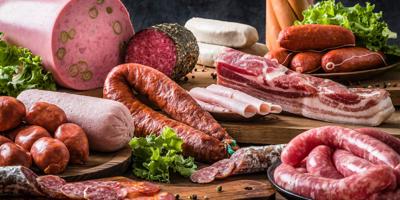
Is it safe for dogs to eat pork? Find out if pork is generally considered a safe food for dogs or if there are potential concerns to be aware of. Get the facts.
When the gastrointestinal (GI) tract is irritated or not functioning properly, eating can trigger vomiting. GI disturbances can affect your dog’s ability to digest and absorb nutrients.
Because the digestive system includes the stomach, intestines, pancreas, liver, esophagus and more, your veterinarian will need to examine your dog to rule out conditions such as:
Some digestive issues resolve on their own, and once your dog’s system settles, vomiting may stop.
Switching dog food too quickly is a common cause of digestive upset. Sudden changes can overwhelm the stomach and intestines, leading to vomiting, diarrhoea, or gas.
Transition food gradually over 7–10 days to help your dog adjust safely.
Some dogs inhale their meals in seconds. Fast eaters may:
This can lead to vomiting, bloating, or stomach cramps. Dogs who quickly gulp down food may also be more prone to regurgitation.
Stress can influence appetite and digestion. Dogs may eat rapidly due to:
Worry and tension can also cause stomach upset on their own, leading to vomiting or diarrhoea. Offering reassurance, separating pets during mealtime, and creating a calm environment can help.
Although uncommon, food allergies can trigger gastrointestinal symptoms, including vomiting. Proteins such as chicken or beef are typically involved.
Food intolerances — which are more common — cause sensitivities to certain ingredients without a full allergic response. If your dog vomits regularly after meals, discuss dietary options with your veterinarian.
Dogs eat grass often but the reason isn’t fully understood. Some theories suggest they do it to induce vomiting when they feel nauseous; others point to boredom or taste preference.
Grass‑eating alone is usually not a major concern unless vomiting persists.
If your dog keeps food down initially but vomits later, possibilities include:
If this occurs consistently, contact your veterinarian for assessment.
A dog that brings up undigested food may be regurgitating rather than vomiting.
Frequent regurgitation can be caused by fast eating or conditions such as canine megaesophagus.
If your dog regurgitates often, your veterinarian may suggest:
These adjustments can help ensure your dog absorbs the nutrients they need.
If your dog throws up after a meal, here’s how to help:
The colour and texture matter. For example:
Watch for:
These may point to an underlying health condition.
Offer small amounts of water and a small portion of their regular food once their stomach has settled.
Check expiry dates, packaging integrity, and whether new food might be causing intolerance.
Most dogs vomit once in a while and bounce back quickly. But if vomiting continues for 24 hours or becomes a repeating pattern, reach out to your veterinarian.
For more expert guidance on canine health and nutrition, explore the articles on our Pet Expertise page.