Find out how long a cat can go without eating. Any change in your cat’s eating habits is important to note, so read our guide to find out what it might mean.
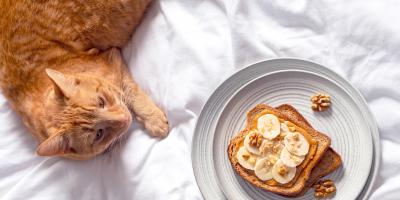
Picture this: you set down your peanut butter and jelly sandwich, and before you know it, your curious cat sneaks a lick from your plate. While peanut butter is a popular treat for dogs, most cat parents are surprised to see their feline show interest in this sticky, nutty spread. So, the big question becomes: Can cats have peanut butter?
You might be asking yourself, Is peanut butter bad for cats? The reassuring news is that peanut butter is not usually toxic. However, that doesn’t make it a good choice for your feline friend.
Cats are obligate carnivores, meaning their bodies are designed to thrive on animal protein. Peanut butter doesn’t offer nutritional value for cats, and its high fat and calorie content can contribute to weight gain, obesity, and related health issues such as diabetes.
The real danger lies in peanut butter products that contain xylitol, an artificial sweetener that is extremely toxic to cats—even in small amounts.
If you choose to let your cat sample a tiny bit of peanut butter, make sure it’s free of harmful ingredients and offered sparingly.
Several common ingredients found in peanut butter can pose health risks to cats. Here’s what to watch out for:
Cats cannot have xylitol. This artificial sweetener can appear in certain peanut butters and peanut butter powders. Xylitol toxicity can cause:
In severe cases, it may lead to liver failure, dangerously low blood sugar, or even be fatal. If you suspect xylitol ingestion, contact your veterinarian or an emergency animal hospital immediately.
Alternate names for xylitol include wood sugar, birch sugar, and birch bark extract — always check the label carefully.
Peanuts contain high levels of fat, which can:
Too much peanut butter can also replace a cat’s regular food, leading to nutritional deficiencies.
Many peanut butters contain added sugars and salt. In excess, these can trigger:
If you notice any concerning symptoms, contact your vet or the Pet Poison Helpline (1‑800‑213‑6680).
If you choose to feed peanut butter at all, it should only be offered in tiny amounts, and only occasionally—often for hiding medication. Always check ingredient labels and avoid brands containing xylitol, added sugar, or excessive oils.
As a general rule, treats should make up no more than 10% of your cat’s daily calories. For cats receiving peanut butter to disguise pills, do not exceed ⅛ to ¼ teaspoon per day.
Monitor your cat closely after any peanut butter intake, and speak with your veterinarian if you’re unsure whether it’s appropriate for your pet.
If your cat stole a lick of peanut butter, stay calm and start by checking the ingredient list:
Call your vet if your cat develops:
You can also reach the Animal Poison Control Center (APCC) at (888) 426‑4435.
Peanuts themselves are less concerning than peanut butter because they usually don’t contain xylitol. However, they still carry risks:
As with peanut butter, peanuts offer no real nutritional benefit for cats.
If symptoms appear after peanut ingestion, contact your vet or the APCC immediately.
Your cat will be much safer — and healthier — enjoying treats specifically suited to their needs. Here are better options:
Always check with your veterinarian to determine which treats best fit your cat’s nutritional needs.
For more expert guidance on feline nutrition, explore our other What Can Cats Eat articles.