It can be worrying when your dog vomits after eating, even if they act normal. There are many reasons why could be happening. Learn when to be concerned or call the vet.
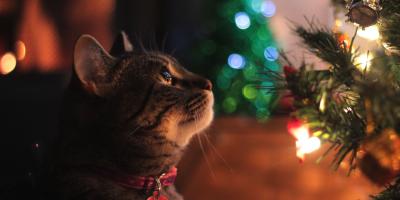
The holiday season is full of joy, laughter and cherished moments with loved ones. Amid the celebrations, it’s easy to overlook that many festive traditions can pose risks to pets.
Purina veterinarian Dr. Callie Harris, DVM shares expert advice on holiday hazards—such as treats, décor and plants—and offers practical tips to keep your furry family members safe.
Whether it’s Christmas, New Year’s, Halloween or Thanksgiving, pet safety should be part of your holiday planning for a stress-free season.
When exchanging gifts, remember that some items can be dangerous for pets. If you’re visiting friends, label gifts that aren’t pet-friendly so they can be kept out of reach. Avoid ribbons, bows or small parts on pet toys that could cause choking or injury.
Decorative ribbons and strings can be tempting for cats and dogs but may lead to serious health issues if swallowed. Electrical decorations or dangling ornaments also pose risks. Dr. Harris advises, “Remove ribbons and wrapping paper immediately after gifts are opened to prevent accidents.”
Holiday plants can also pique your dog or cat’s interest. Seasonal plants like poinsettias, mistletoe, holly and azaleas can be poisonous to pets. Lilies are especially harmful to cats. Keep these plants out of reach and monitor what comes into your home.
Holiday meals contain some favorite, seasonal ingredients, and although they’re tasty to humans, many are harmful to pets. When creating your holiday pet safety checklist, be mindful of ingredients that could be harmful to your dogs and cats. You already know to avoid chocolate, but you’ll also want to watch for grapes and raisins in your cookies and cakes, along with chopped onions and garlic that may be used in an array of recipes. Dr. Harris says, “These ingredients can be, unfortunately, toxic for our pets.” Xylitol (also known as birch sugar or birch sap) is another ingredient toxic to pets. This sugar alternative is found in an array of foods from cake and cookie mixes to yogurt and peanut butter. It is also found in most types of chewing gum.
Guests’ belongings may contain medications or gum that are toxic to pets. Store coats and bags in a closed room to prevent curious pets from rummaging. “Ibuprofen and decongestants can be extremely dangerous,” warns Dr. Harris.
By following these holiday safety tips for pets, you can avoid many seasonal risks to your pet and enjoy a fun-filled, safe holiday. It’s always wise to prepare for the worst-case scenario, though, so keep your veterinarian’s number in your phone and ask about their emergency procedures during the holidays. We also recommend adding the number for the Animal Poison Control Center (APCC) to your phone: (888) 426-4435. They’re available 24/7, including holidays, though they may charge a fee for any services provided. For more holiday tips from our experts, visit our Pet Article page.